Nageshwar Jyotirlinga Dwarka: One of the 12 Sacred Jyotirlingas of Lord Shiva
Located 17 km from Dwarka on the Okha highway in Gujarat. An ancient Shiva shrine and one of the 12 sacred Jyotirlingas. Open 5:00 AM to 9:00 PM daily.
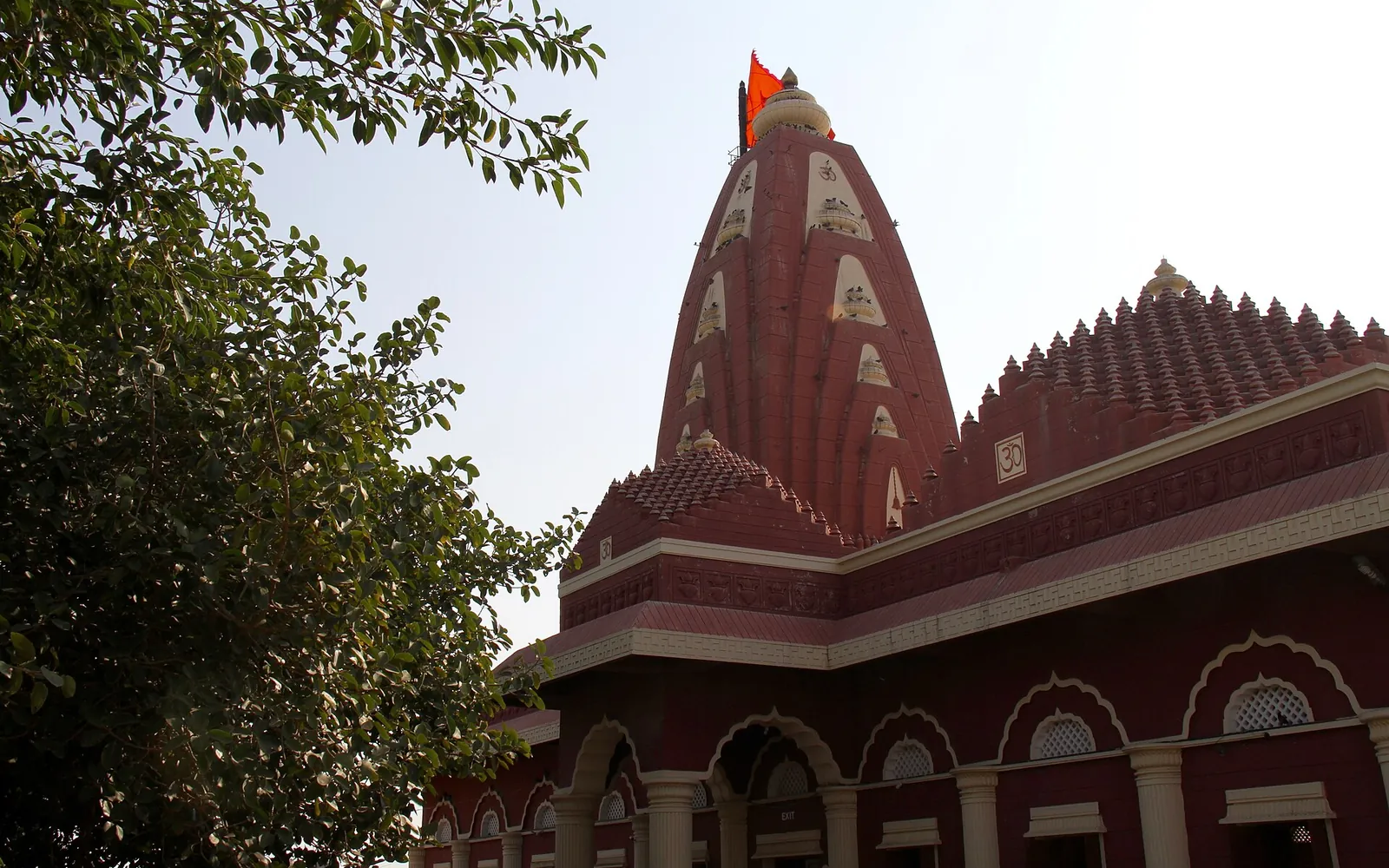
About Nageshwar Jyotirlinga
Nageshwar Jyotirlinga is one of the 12 most sacred shrines of Lord Shiva mentioned in the ancient Shiva Purana, making it an essential destination for every Shiva devotee visiting the Dwarka region. The temple is also known as Nageshwar Mahadev or Naghnath, with the name deriving from the Sanskrit words "Naga" (serpent) and "Ishwar" (God), meaning the Lord of Serpents. In Hindu mythology, Lord Shiva is depicted wearing serpents around his neck and arms as symbols of his mastery over death and fear. The presiding deity Nageshvara (Shiva as the lord of all serpents and poisons) is believed to grant protection from all forms of poison and to cure diseases in his devotees who approach him with sincere faith.
According to the sacred legend preserved in the Shiva Purana, a demon named Daruka captured a devoted Shiva bhakta named Supriya and imprisoned him in the demon's underwater city. When Supriya began chanting the Om Namah Shivaya mantra inside the prison, Lord Shiva appeared in his Jyotirlinga form, destroyed the demon Daruka, and liberated all the prisoners. The place where this divine manifestation occurred is said to be the site of the current Nageshwar temple. This legend underscores Nageshwar's significance as a place of divine protection and liberation from evil forces.
The temple complex is situated amidst sparse but scenic Saurashtra landscape, approximately 17 kilometres from Dwarka city on the Dwarka-Okha highway. The journey to Nageshwar is an integral part of the Dwarka pilgrimage circuit, which most devotees complete on their second day after visiting Dwarkadhish Temple. The serene surroundings and the powerful spiritual vibrations of a Jyotirlinga make Nageshwar a significant experience for pilgrims of all backgrounds.
The 12 Jyotirlingas of Lord Shiva
According to Hindu scripture, the 12 Jyotirlingas are the most sacred manifestations of Lord Shiva in the form of a pillar of light (jyoti = light, linga = form or symbol). Visiting all 12 Jyotirlingas is considered to be one of the most meritorious acts a devotee can undertake, believed to grant moksha (spiritual liberation). Nageshwar holds a special distinction as the only Jyotirlinga in Saurashtra, Gujarat.
- 1. SomnathPrabhas Patan, Gujarat: the first and most celebrated Jyotirlinga
- 2. MallikarjunaSrisailam, Andhra Pradesh
- 3. MahakaleshwarUjjain, Madhya Pradesh
- 4. OmkareshwarMandhata Island, Madhya Pradesh
- 5. KedarnathRudraprayag, Uttarakhand
- 6. BhimashankarPune district, Maharashtra
- 7. Kashi VishwanathVaranasi, Uttar Pradesh
- 8. TrimbakeshwarNashik, Maharashtra
- 9. VaidyanathDeoghar, Jharkhand
- 10. RameshwarRameswaram, Tamil Nadu
- 11. NageshwarDwarka, Gujarat (you are here)
- 12. GrishneshwarAurangabad, Maharashtra
Nageshwar Jyotirlinga is the only Jyotirlinga in Saurashtra, Gujarat, making it an unmissable site for all pilgrims completing the Dwarka Char Dham yatra.
The Magnificent 25-Metre Shiva Statue
One of the most striking features of the Nageshwar temple complex is the colossal 25-metre-tall seated statue of Lord Shiva, which stands as one of the largest Shiva statues in the state of Gujarat. This grand sculpture depicts Lord Shiva in a serene meditative pose, adorned with the Ganga flowing from his matted hair and the crescent moon upon his forehead. The statue is constructed from stone and is clearly visible from the Dwarka-Okha highway, serving as a magnificent landmark that draws the attention of every traveller passing through.
The statue faces east toward the main temple entrance and is surrounded by a beautifully maintained garden. Devotees can circumambulate (perform pradakshina) around the base of the statue as part of their temple visit. The scale of the statue is impressive up close and is a favourite spot for pilgrims to pause and offer prayers before entering the main sanctum. The construction of this statue was a devotional offering by temple trustees and is a testament to the deep reverence with which Lord Shiva is venerated at this holy site. Particularly at sunrise, when the golden light falls upon the statue's stone surface, the sight is one of rare and moving spiritual beauty.
Temple Timings & Puja Schedule
| Session | Timings | Notes |
|---|---|---|
| Darshan (all day) | 5:00 AM to 9:00 PM | Abhishek at 6:00 AM; no midday closure |
| Evening Aarti | 7:30 PM | Evening Aarti |
- Daily Abhishek 6:00 AM: Ritual bathing of the Jyotirlinga with milk, water and Gangajal
- Rudrabhishek Available by prior booking with the temple trust: a special personal puja
- Entry Fee Free for all, no ticket required
- Prasadam Available after morning and evening aartis
How to Reach Nageshwar from Dwarka
By Auto-Rickshaw or Taxi
The most convenient way to reach Nageshwar from Dwarka is by auto-rickshaw or taxi. The journey takes approximately 30 to 40 minutes on the Dwarka-Okha highway (NH47). Fixed auto fares are approximately Rs 200 to Rs 300 for a one-way trip. Shared autos also operate on this route at lower fares. Taxis (approx. Rs 600 to Rs 800 for round trip with waiting time) can be hired from outside Dwarkadhish Temple or from the Dwarka bus stand, and are recommended if you want to combine the Nageshwar and Bet Dwarka visits in one day.
By GSRTC Bus
Regular GSRTC (Gujarat State Road Transport Corporation) buses run from Dwarka bus stand to Nageshwar and Okha at frequent intervals throughout the day. The bus fare is approximately Rs 15 to Rs 20 per person. The bus will drop you near the Nageshwar temple junction on the main highway, from where it is a short walk or a brief auto-rickshaw ride to the temple entrance. This is the most economical option for budget-conscious pilgrims.
By Bike or Private Car
Visitors with their own vehicle or a rented motorbike can easily reach Nageshwar via the Dwarka-Okha highway (NH47). The road is well-maintained and clearly signposted. The drive is approximately 20 to 25 minutes from Dwarka city centre. Ample parking space is available at the temple premises, which can accommodate both two-wheelers and four-wheelers. Many devotees combine the Nageshwar visit with a trip to Okha jetty for the Bet Dwarka ferry, making for a fulfilling full-day pilgrimage circuit.
Tips for Visiting Nageshwar Jyotirlinga
-
1
Visit Early in the Morning
The temple opens at 5:00 AM and the early morning atmosphere is particularly peaceful and spiritually elevating. The morning Abhishek at 6:00 AM is an important ritual that devotees should not miss. Crowds are smallest in the early morning, allowing for unhurried darshan and quiet prayer.
-
2
Combine with Bet Dwarka for a Full Day
Nageshwar and Bet Dwarka are both on the road to Okha and can be conveniently combined into a single full-day excursion from Dwarka. Most pilgrims visit Nageshwar first (early morning), then proceed to Okha for the ferry to Bet Dwarka, returning to Dwarka by evening in time for the Sandhya Aarti at Dwarkadhish Temple.
-
3
Carry Offerings for the Shivalinga
Traditional offerings for Nageshwar Jyotirlinga include Bilva (Bael) leaves, white flowers, raw milk, honey, sandalwood paste and Gangajal (holy Ganges water). These items are readily available from shops outside the temple entrance. Offering these items during Abhishek is considered especially meritorious.
-
4
Dress Appropriately
Traditional Indian attire is expected at a Jyotirlinga temple. Men should wear dhoti or kurta-pyjama, and women should wear a saree or salwar-kameez. Remove footwear before entering the temple complex. Photography inside the main sanctum is not permitted, though it is allowed in the outer areas including near the large Shiva statue.
-
5
Chant Shiva Mantras During Darshan
Visiting a Jyotirlinga is considered most auspicious when accompanied by the chanting of Shiva mantras such as Om Namah Shivaya, the Maha Mrityunjaya mantra, or verses from the Shiva Chalisa. The temple atmosphere encourages devotional practice and the priests are helpful in guiding devotees through the rituals.
Frequently Asked Questions
Also Explore Dwarka
Dwarkadhish Temple
The Char Dham temple of Lord Krishna in Dwarka city. 72 carved pillars, 43-metre shikhara and the most important Krishna shrine in all of Gujarat.
Read Full GuideBet Dwarka Island
Lord Krishna's personal residence on a sacred island in the Gulf of Kutch. Combine Bet Dwarka and Nageshwar Jyotirlinga into one full day trip from Dwarka.
Read Full GuideBhadkeshwar Mahadev
Ancient Shiva temple on a tidal rock surrounded by the Arabian Sea. Another sacred Shiva site in Dwarka, accessible only during low tide.
Read Full GuideBest Time to Visit Dwarka
Month-by-month guide covering climate, festivals and crowd levels. October to March is the ideal season for pilgrimage to Nageshwar and Dwarka.
Plan Your Visit