Gomti Ghat Dwarka: Sacred Confluence of Gomti River and the Arabian Sea
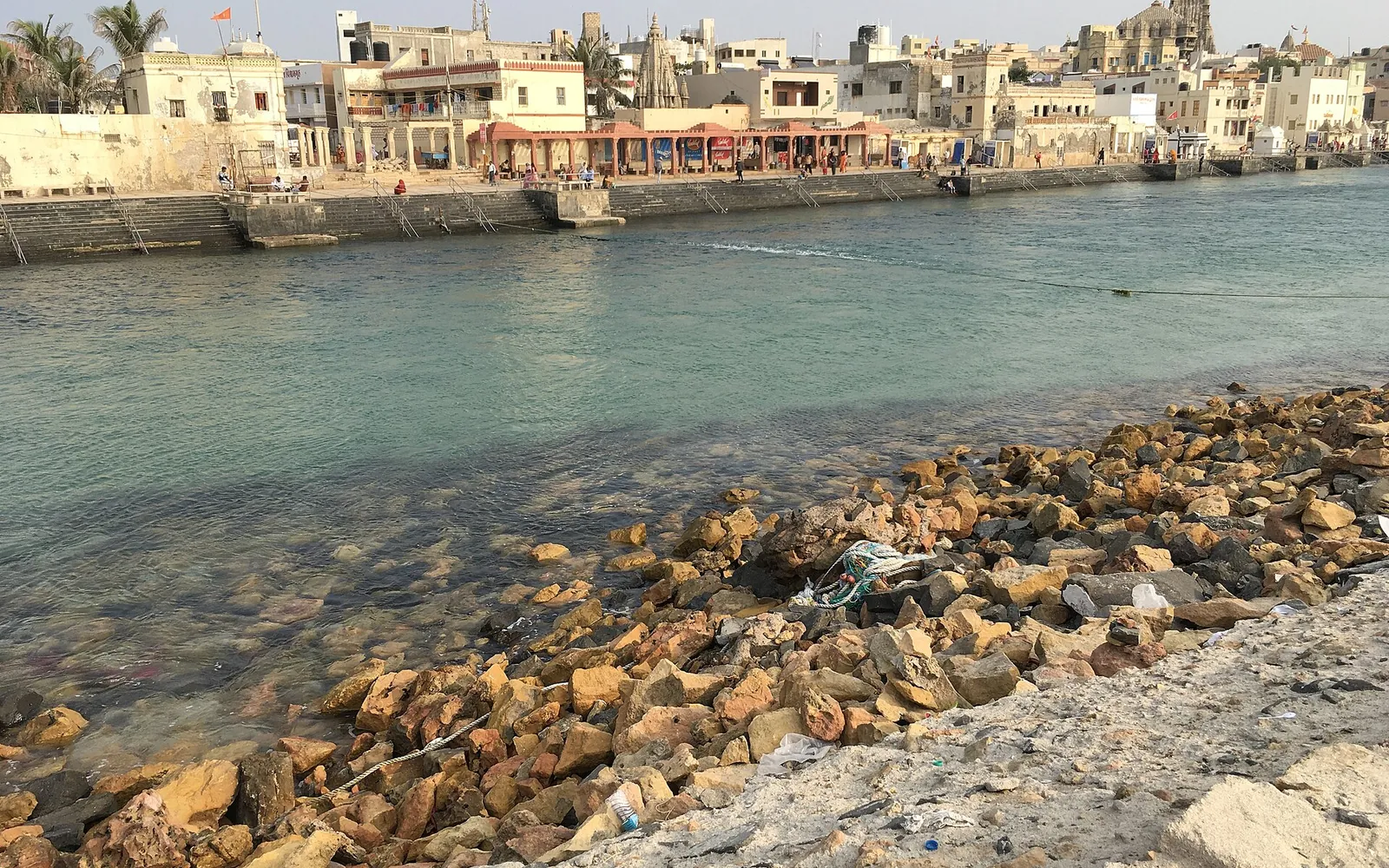
Where the sacred Gomti River meets the vast Arabian Sea in the heart of Dwarka City. Famous for its Sandhya Aarti at sunset and the holy 56 kunds.
About Gomti Ghat Dwarka
Gomti Ghat is the sacred riverbank at the heart of Dwarka city, located at the point where the holy Gomti River flows into the Arabian Sea. This confluence, known as a Sangam, is considered one of the most spiritually potent spots in the entire Dwarka pilgrimage circuit. Hindu scripture holds that bathing at a Sangam, the meeting point of a river and the sea or two rivers, is especially meritorious, as the combined spiritual energy of two bodies of sacred water cleanses sins and accelerates the pilgrim's spiritual progress.
The Gomti River holds a uniquely sacred status in Dwarka. Unlike most rivers in India, the Gomti of Dwarka is a tidal river: it rises and falls with the tides of the Arabian Sea, meaning that the sea itself breathes life into this sacred waterway twice a day. Hindu tradition regards the Gomti of Dwarka as equally holy to the Ganga (Ganges) for pilgrims who are unable to travel to the Ganges. A dip in the Gomti at Dwarka is said to purify the devotee and prepare them spiritually for the darshan of Lord Dwarkadhish.
The ghat itself is a beautifully maintained stone-stepped embankment leading down to the water, lined with small shrines, flower sellers, incense vendors and priests who guide pilgrims through the ritual bathing ceremony. The atmosphere at Gomti Ghat is one of continuous devotional activity from early morning until late evening, with pilgrims chanting, bathing, offering flowers and diyas (oil lamps) to the river, and participating in the various religious rituals that define the sacred rhythm of life in Dwarka.
"The Gomti Ghat Sandhya Aarti at sunset is one of the finest spiritual experiences in all of Gujarat. The flickering brass lamps, the conch shells, the chanting, the colours of the setting sun over the Arabian Sea."
The Sandhya Aarti Experience
The Sandhya Aarti (evening worship ritual) at Gomti Ghat is performed every evening at sunset and is one of the most visually spectacular and emotionally moving spiritual experiences that Dwarka has to offer. The aarti begins approximately at sunset, around 6:00 PM in winter (November to January), 6:30 PM in spring and autumn and 7:00 PM in summer, and lasts for approximately 45 minutes to an hour.
As the sun descends toward the horizon over the Arabian Sea, priests take their positions on the ghat steps holding large, multi-tiered brass lamps (aarti thalis) filled with burning wicks soaked in ghee. The ritual commences with the blowing of conch shells (shankhas), whose resonant call carries across the water and signals the beginning of the sacred ceremony. The priests then begin their rhythmic, circular movements with the lamps, large arcs of fire swinging in the gathering dusk, while devotional hymns are sung and drums beat in an ancient, hypnotic rhythm. Devotees line the ghat steps in large numbers, their faces lit by the dancing lamplight, hands folded in prayer, some softly chanting along with the priests.
The ritual culminates in the floating of diyas, small clay lamps with cotton wicks, on the Gomti River. Hundreds of these tiny flames drift out toward the sea on the current, carrying the prayers and wishes of the devotees with them. The sight of hundreds of flickering diyas drifting across the dark water toward the vast Arabian Sea, with the ancient temple silhouette in the background and the scent of incense filling the evening air, is one that stays in the memory forever. Devotees of all ages consider attending the Gomti Ghat Sandhya Aarti to be an essential part of the Dwarka pilgrimage.
- Winter Aarti (Nov to Jan) Approximately 6:00 PM to 6:45 PM
- Spring/Autumn Aarti (Feb to Apr, Sep to Oct) Approximately 6:30 PM to 7:15 PM
- Summer Aarti (May to Aug) Approximately 7:00 PM to 7:45 PM
The 56 Sacred Kunds (Holy Tanks)
One of the most distinctive features of the Gomti Ghat area is the presence of 56 sacred kunds, specially constructed holy tanks or ponds, that are an integral part of the Dwarka pilgrimage ritual. These 56 kunds are believed by tradition to have been created by Rukmini, the principal queen of Lord Krishna, who desired to provide sacred bathing facilities for pilgrims visiting her husband's holy city. Each kund is dedicated to a specific deity, sacred event, or aspect of the divine, and collectively they form a complete ritual geography that mirrors the spiritual world of Dwarka.
Bathing in these 56 kunds, traditionally performed as a sequential ritual during the Dwarka yatra, is considered an act of supreme auspiciousness and is said to cleanse the pilgrim of all accumulated sins. The practice is especially undertaken on auspicious days such as Ekadashi (the eleventh day of the lunar fortnight), Purnima (full moon), Amavasi (new moon), and festival days. Many pilgrims who come to Dwarka for a multi-day yatra dedicate an entire morning to the sequential bathing ritual in the kunds before proceeding to Dwarkadhish Temple for darshan.
The kunds themselves are well-maintained stone tanks, each clearly labeled and accessible from the ghat area. They vary in size, with some being large enough for several people to bathe simultaneously and others being smaller, more intimate pools. The water in the kunds is regularly refreshed by the tidal influence of the Gomti River. Flowers, incense and small lamps offered by pilgrims float on the surface of many kunds, adding to their sacred and visually beautiful atmosphere.
What to Do at Gomti Ghat
-
1
Holy Snan (Sacred Bathing)
Begin your Gomti Ghat visit with a ritual bath (snan) in the Gomti River, ideally in the early morning hours before proceeding to Dwarkadhish Temple. The bathing steps are clean and well-maintained. Changing rooms are available nearby. A bath in the Gomti of Dwarka is traditionally the first act of the Dwarka pilgrimage, symbolically purifying the devotee before they approach Lord Dwarkadhish.
-
2
Attend the Sandhya Aarti
Arriving at Gomti Ghat about 30 minutes before sunset ensures a good spot to witness the evening aarti. Position yourself on the upper steps of the ghat for the best view of the entire ceremony, including the lamp-swinging by the priests and the floating of diyas on the river. The aarti is a free, public ceremony that all are welcome to attend and participate in.
-
3
Float Diyas on the River
Small clay diyas with cotton wicks are sold by vendors at the ghat for just a few rupees. Lighting these small lamps and setting them afloat on the Gomti River as a personal offering and prayer is one of the most beautiful and personally meaningful acts a devotee can perform at the ghat. The practice of diya-floating at Gomti Ghat is meaningful and widely considered to make wishes come true.
-
4
Visit Samudra Narayana Temple
A short walk from Gomti Ghat brings you to the ancient Samudra Narayana Temple, a small but revered shrine dedicated to Narayana (Vishnu) as the Lord of the Ocean. This temple is considered an integral part of the Dwarka pilgrimage circuit and visiting it after the ghat snan completes the traditional ritual sequence prescribed for Dwarka yatris.
-
5
Browse the Ghat Markets
The lanes surrounding Gomti Ghat are lined with small shops selling conch shells (the conch, or shankha, is sacred to Lord Vishnu/Krishna), rudraksha beads, religious books, Krishna idols, sindoor (vermilion), incense, pooja items and colourful Dwarka memorabilia. These make excellent sacred souvenirs to carry home from your yatra.
Best Time & Practical Tips
The best time to visit Gomti Ghat is the evening, in the 30 to 60 minutes around sunset, for the Sandhya Aarti. This is when Gomti Ghat is at its most alive and most beautiful. Early morning (6:00 AM to 8:00 AM) is the second-best time, offering peaceful snan conditions and the fresh atmosphere of dawn on the sacred river before the city wakes fully.
- Best Time 30 minutes before sunset for Sandhya Aarti; early morning for peaceful snan
- What to Wear If bathing, carry a change of clothes; women should carry a dupatta or stole for the ghat
- What to Carry Small denomination cash for diyas, flowers and offerings; no large valuables
- Crowds Most crowded during aarti time and on Ekadashi days; arrive early for a good spot
- Monsoon Ghat remains open but bathing may be restricted during heavy monsoon rains (June to September)
Frequently Asked Questions
Also Explore Dwarka
Dwarkadhish Temple
The Char Dham temple of Lord Krishna, a short walk from Gomti Ghat. 8 daily aartis, 43-metre shikhara and 2500 years of unbroken worship.
Read Full GuideBhadkeshwar Mahadev
Ancient Shiva temple on a tidal rock in the Arabian Sea, a 10-minute walk from Gomti Ghat. Visit at low tide in the late afternoon just before the Sandhya Aarti.
Read Full GuideSudama Setu Bridge
Dwarka's suspension bridge spanning the Gomti River near the ghat. Walk across at golden hour for the best aerial views of the ghat, the river and the city.
Read Full GuideDwarka Temple Timings 2026
Evening aarti times at Gomti Ghat and Dwarkadhish Temple vary by season. Check the complete timing guide to plan the perfect sunset pilgrimage sequence.
Check TimingsShop Puja & Temple Accessories
Handpicked pooja items and temple accessories for your home mandir, delivered anywhere in India.
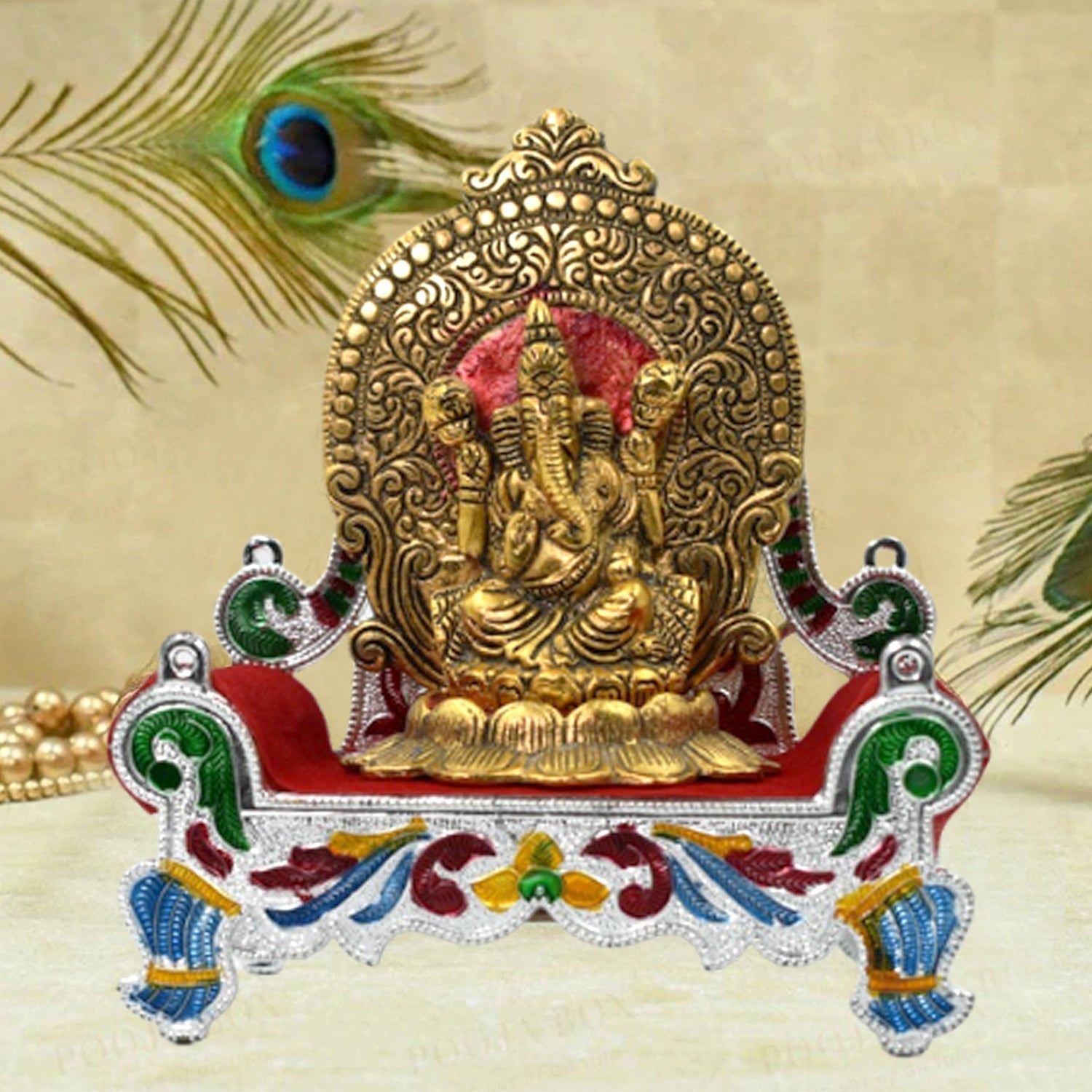
Bal Gopal Singhasan Deity Throne
₹205.00
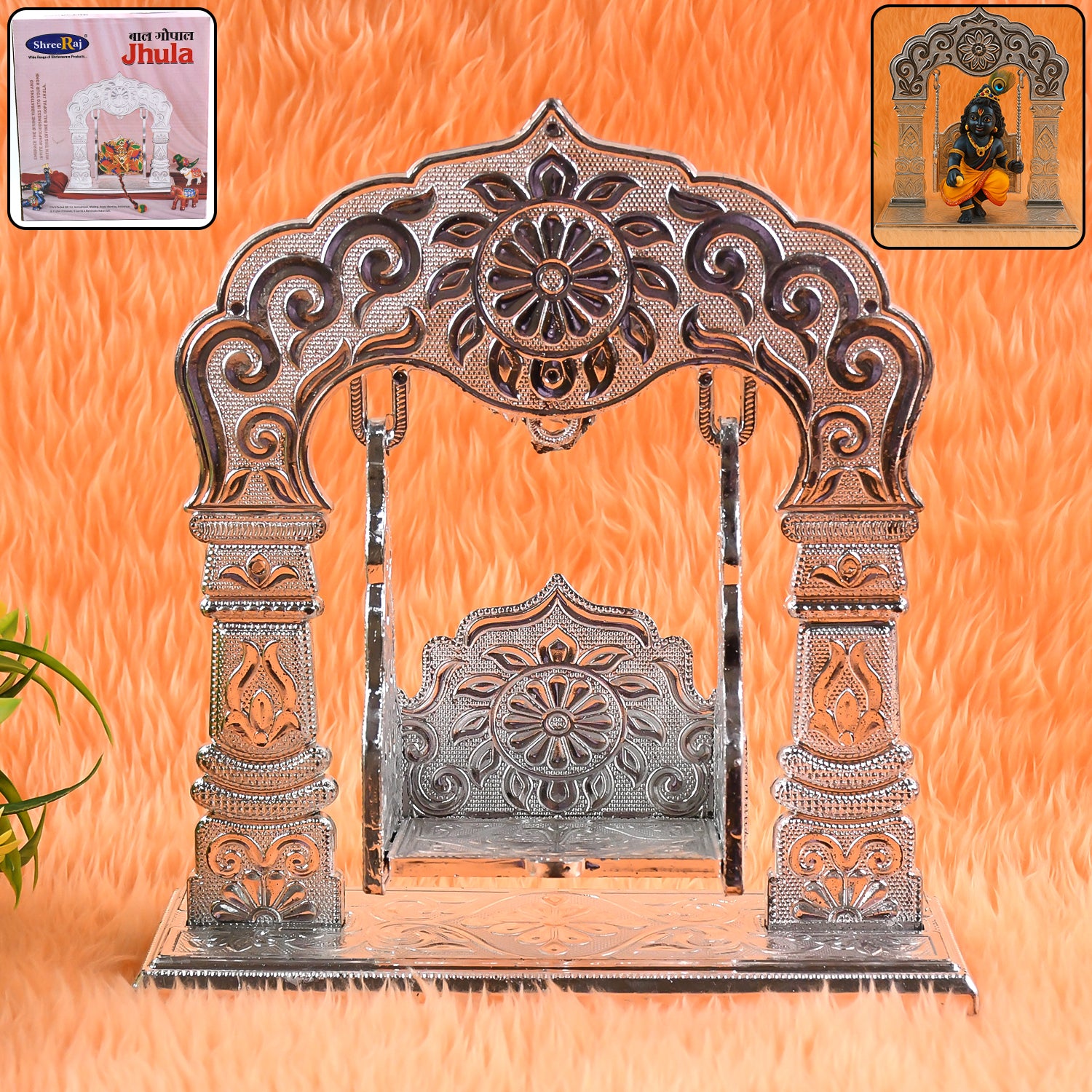
Bal Gopal Silver Jhula Swing
₹230.00

Digital Mantra Jaap Counter Ring
₹220.00
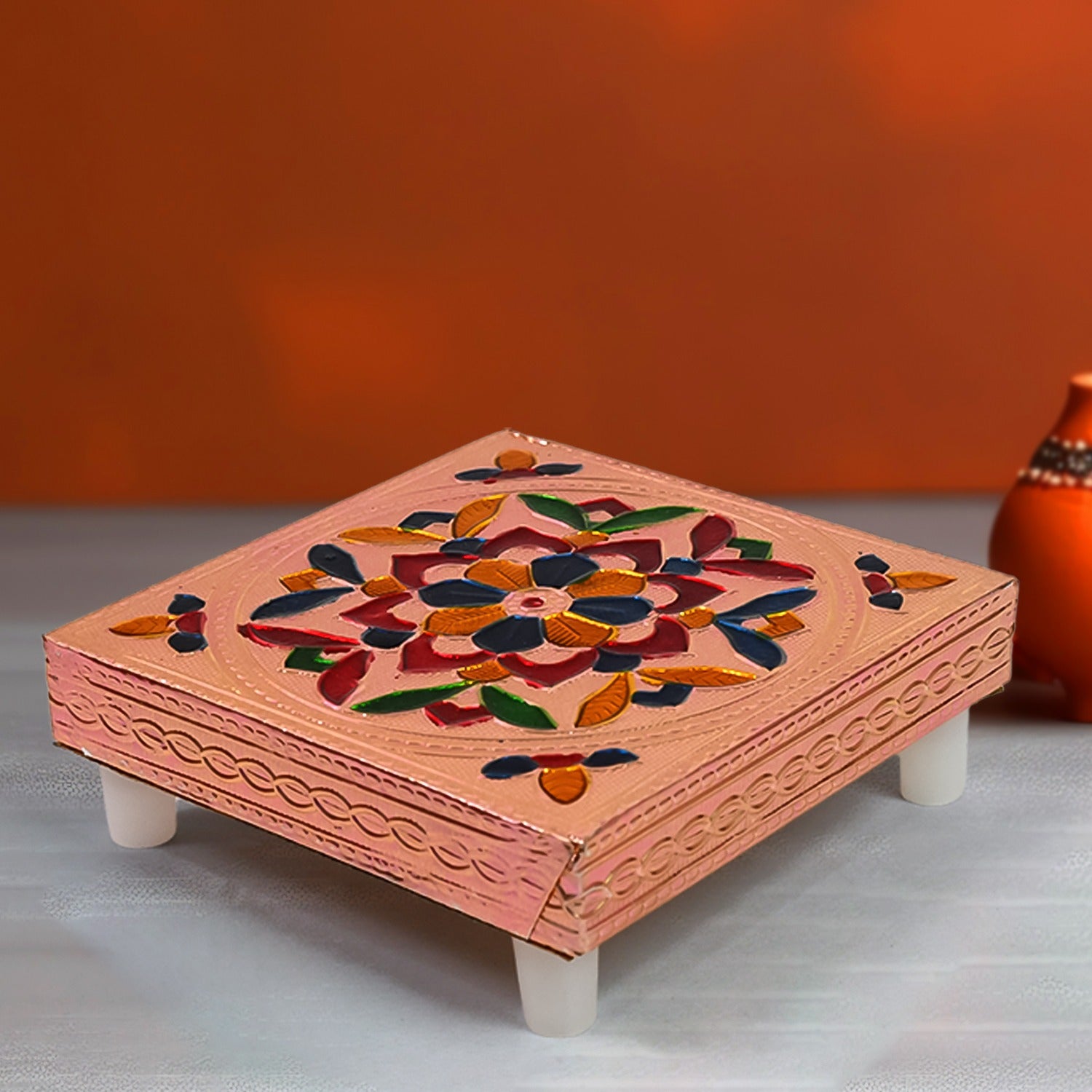
Meenakari Wooden Puja Chowki
₹159.00
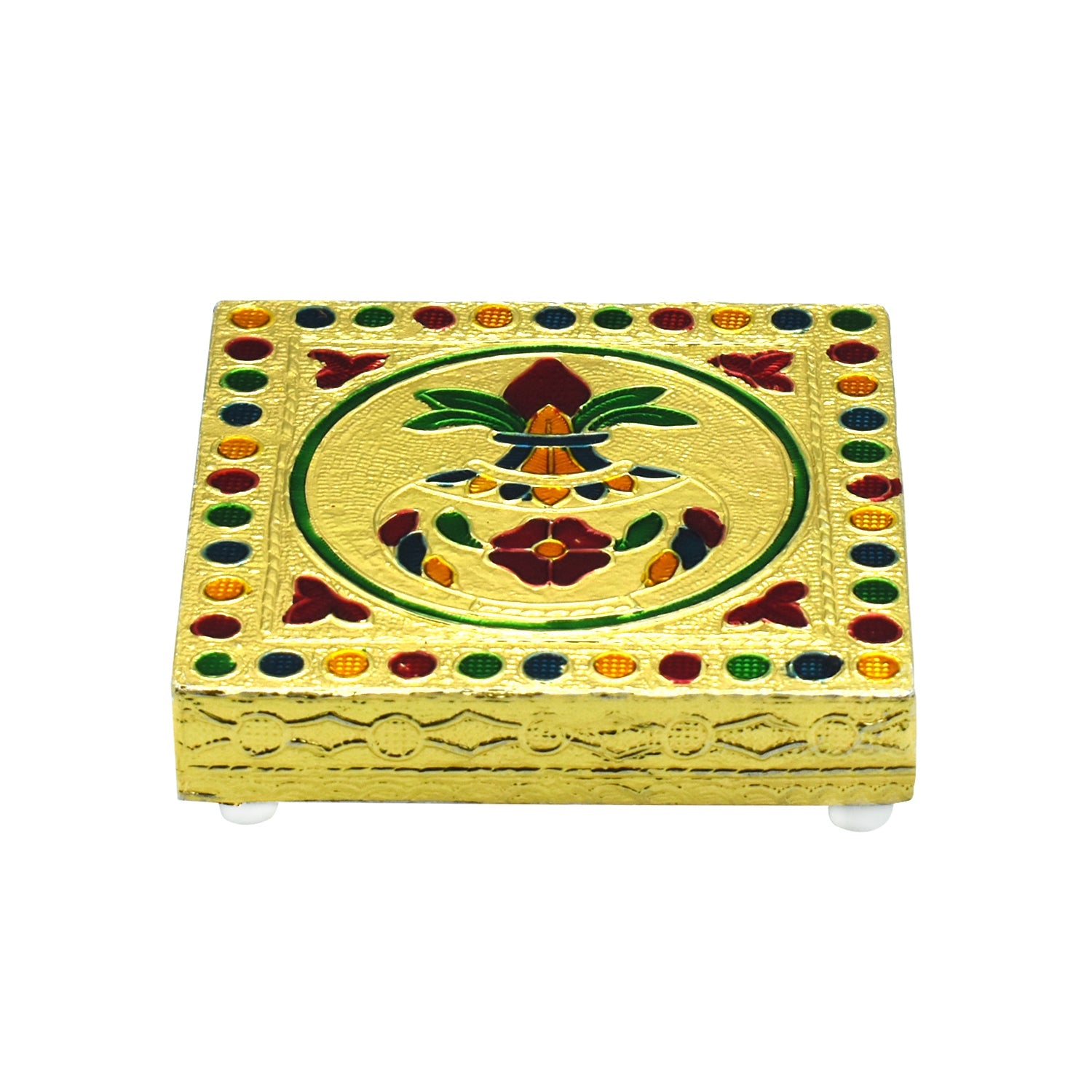
Wooden Designer Bajot Stool
₹159.00
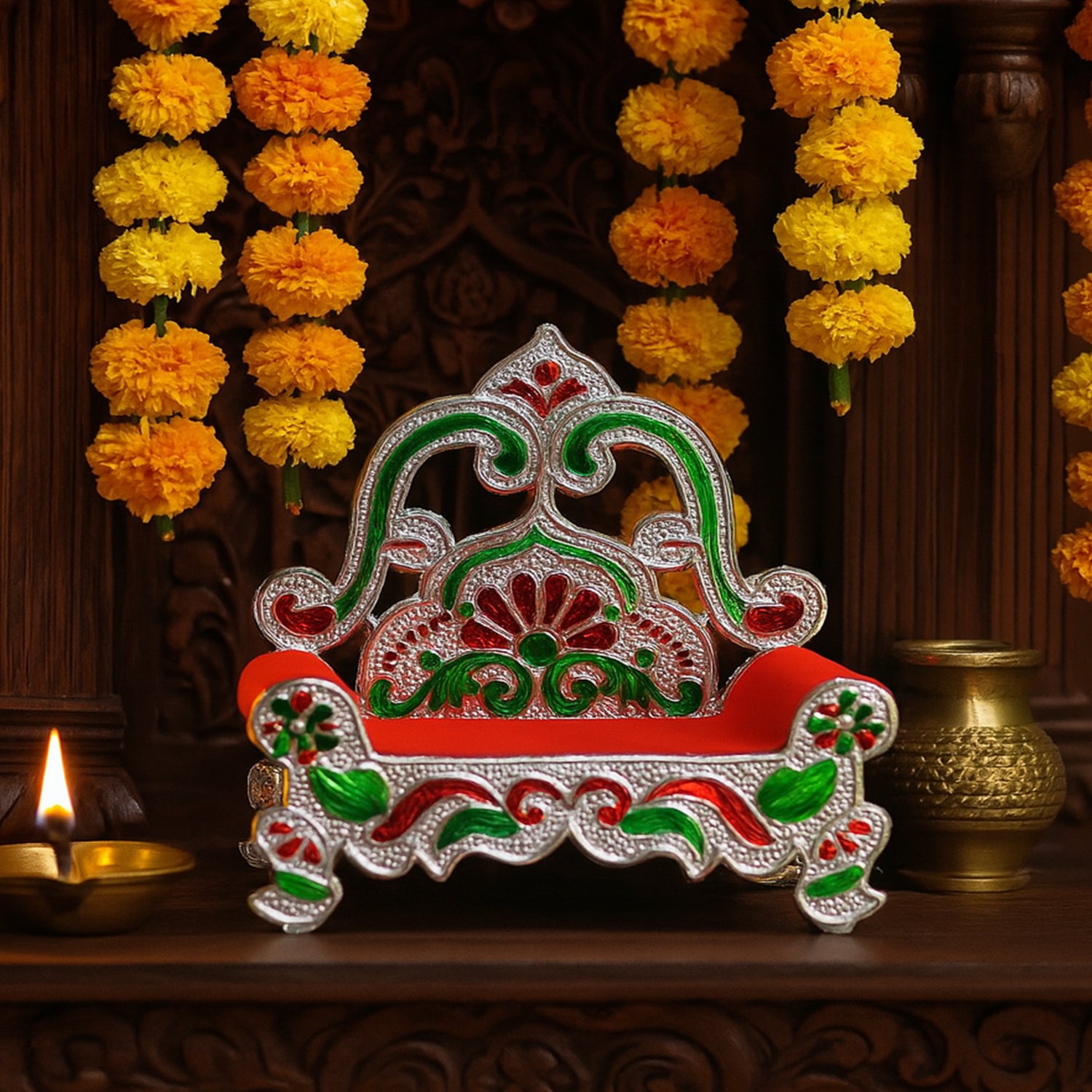
Small Decorative Singhasan for Idols
₹199.00

Round Puja Thali with Kumkum Holder
₹99.00
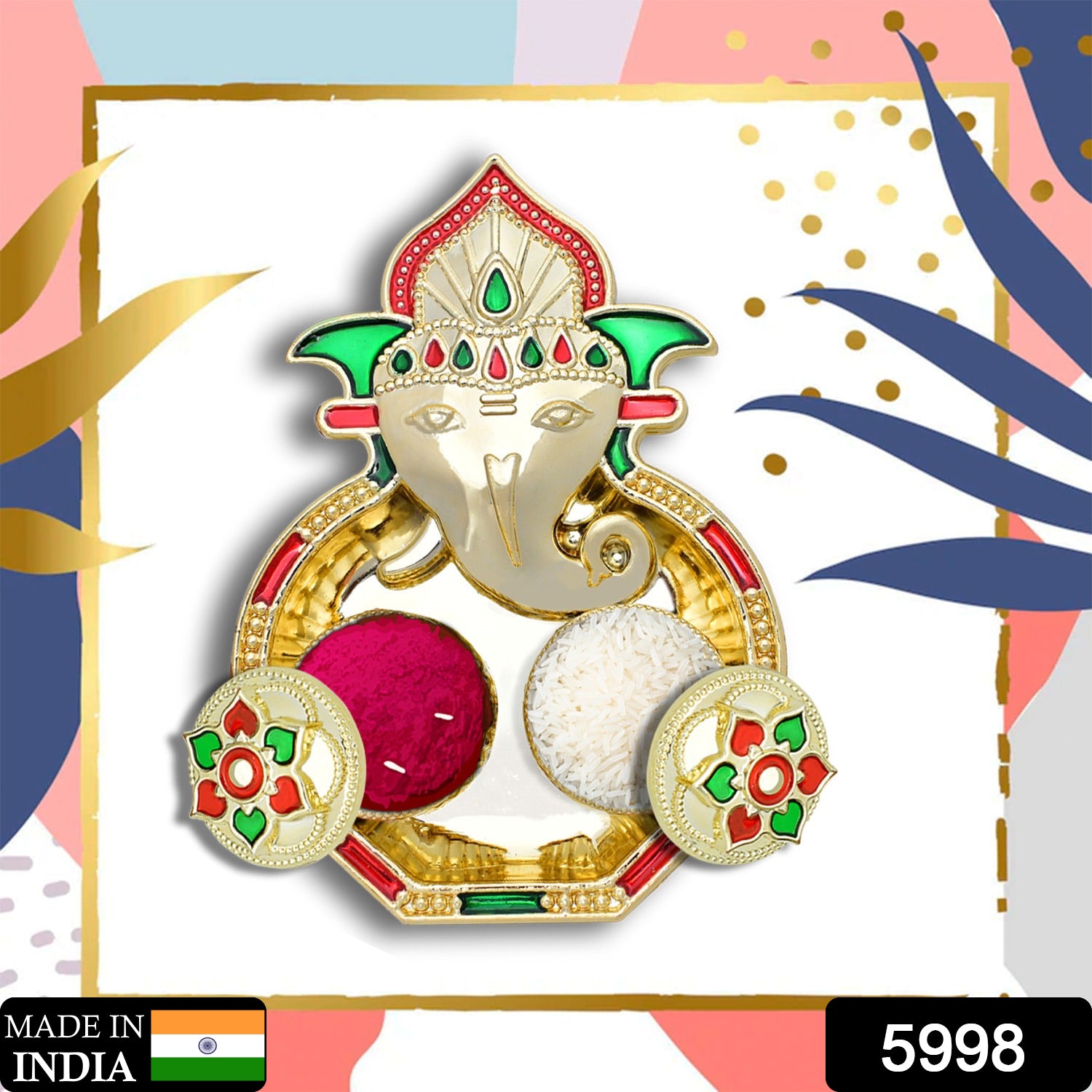
Puja Thali Return Gift Set
₹125.00